
289 272 5442

Call Now for Quote!

Home » Chimney Repair Cost Calculator

Chimney Repair Cost Calculator (Ontario): Find Your Repair Cost Today

If your chimney is leaking, crumbling, or flagged during an inspection, the biggest challenge is knowing what the repair might involve—and what will drive the cost. Online averages rarely reflect real-world conditions, especially in Ontario’s climate.
Our Chimney Repair Cost Calculator solves that problem by focusing on measurable inputs: chimney height, damage severity, roof access, materials, and timing. By understanding these factors upfront, you can plan repairs more confidently, ask better questions, and avoid unexpected scope changes once work begins.

How To Calculate Chimney Repair Cost By Using Our Calculator Step by Step Instructions

Step 1: Enter Chimney Dimensions

Input the chimney height and select whether it is standard or wide. This sets the base scale for labor and materials.

Step 2: Select the Repair Type

Choose the repair category that best matches your situation, based on visible damage or inspection results.

Step 3: Choose Damage Severity

Select cosmetic, functional, structural, or unsafe to reflect how advanced the problem is.

Step 4: Set Access Conditions

Choose the roof access option that best represents your home’s layout and roof pitch.

Step 5: Select Materials and Construction Type

Indicate whether your chimney uses standard or heritage materials and the condition of the crown.

Step 6: Choose Timing and Location

Select the season and Ontario region to reflect labor demand and regional pricing.

Step 7: Review the Estimated Cost

Use the calculator output as a budget range, not a fixed quote. The estimate helps you identify major cost drivers and prepare for contractor discussions.

Chimney Repair Cost Calculator (GTA)

Estimated Cost: $0

Main Cost Factors Used in This Chimney Repair Cost Calculator

1. Extent and Type of Damage

The most important driver of chimney repair cost is the severity and type of damage. Small cosmetic issues require far less labor and material than structural or safety-related failures.

  • Minor Repairs: Small cracks, loose mortar, chimney cap replacement, or localized sealing
  • Moderate Repairs: Tuckpointing, crown repair, flashing replacement, partial brick replacement
  • Major Repairs: Flue liner replacement, structural instability, leaning chimneys
  • Full Rebuild: Extensive deterioration requiring demolition and reconstruction

Why it matters: As damage severity increases, labor hours rise, safety requirements increase, and inspections are more likely to be required.

2. Chimney Height, Width, and Overall Size

Chimneys are priced by vertical working height and surface area, not simply by the number of chimneys.

  • Taller chimneys require more setup time, ladders, or scaffolding
  • Wider chimneys use more brick, mortar, and crown material
  • Multi-flue chimneys increase liner and internal repair complexity

Why it matters: Larger chimneys increase both material quantities and labor time, directly affecting cost.

3. Accessibility and Roof Conditions

Access difficulty is a major cost multiplier that is often underestimated in online estimates.

  • Steep roof pitches require additional fall protection
  • Multi-storey homes increase setup time
  • Obstructions (dormers, solar panels) complicate access

Why it matters: Difficult access increases labor hours, safety equipment needs, and sometimes requires lifts or scaffolding.

4. Labor Rates and Regional Pricing (Ontario)

Labor is a significant portion of chimney repair pricing.

  • Masonry and chimney specialists typically charge higher rates than general labor
  • Urban regions such as the GTA generally have higher labor costs
  • Rural areas may have lower base rates but higher travel or mobilization fees

Why it matters: Labor rates vary across Ontario and strongly influence final pricing.

5. Materials Used in Chimney Repairs

Material selection directly affects durability, appearance, and cost.

  • Standard clay brick vs stone or heritage masonry
  • Type of mortar (modern vs lime-based for older homes)
  • Flue liner material (clay vs stainless steel)
  • Chimney crown materials (precast vs poured-in-place)

Why it matters: Premium or specialized materials increase cost but may be required for code compliance or longevity.

6. Flashing and Waterproofing Requirements

Flashing failures are one of the most common causes of chimney leaks.

  • Basic flashing repairs are relatively affordable
  • Full flashing replacement requires removal and reinstallation of surrounding roofing materials
  • Waterproofing and sealants may be added to extend lifespan

Why it matters: Improper flashing can cause interior water damage, increasing repair urgency and scope.

7. Diagnostics, Inspections, and Engineering Reports

Some chimney repairs require formal evaluation before work begins.

  • Visual inspections for minor repairs
  • Level 2 chimney inspections for liner or structural concerns
  • Structural engineer reports for rebuilds or safety issues

Why it matters: Inspection and reporting costs are often added separately and are required for code or insurance compliance.

8. Time of Year and Scheduling Urgency

Seasonal timing has a direct effect on chimney repair pricing in Ontario.

  • Spring and summer offer the best working conditions
  • Late fall often increases demand before winter
  • Winter or emergency repairs require special materials and safety measures

Why it matters: Emergency or winter repairs typically carry higher labor and scheduling premiums.

9. Permits, Codes, and Insurance Requirements

Depending on the scope of work, additional administrative steps may apply.

  • Local building permits for structural repairs
  • Fire code compliance for flue and liner work
  • Insurance documentation for claim-related repairs

Why it matters: Permit fees and compliance requirements add time and cost but are necessary for legal and safety reasons.
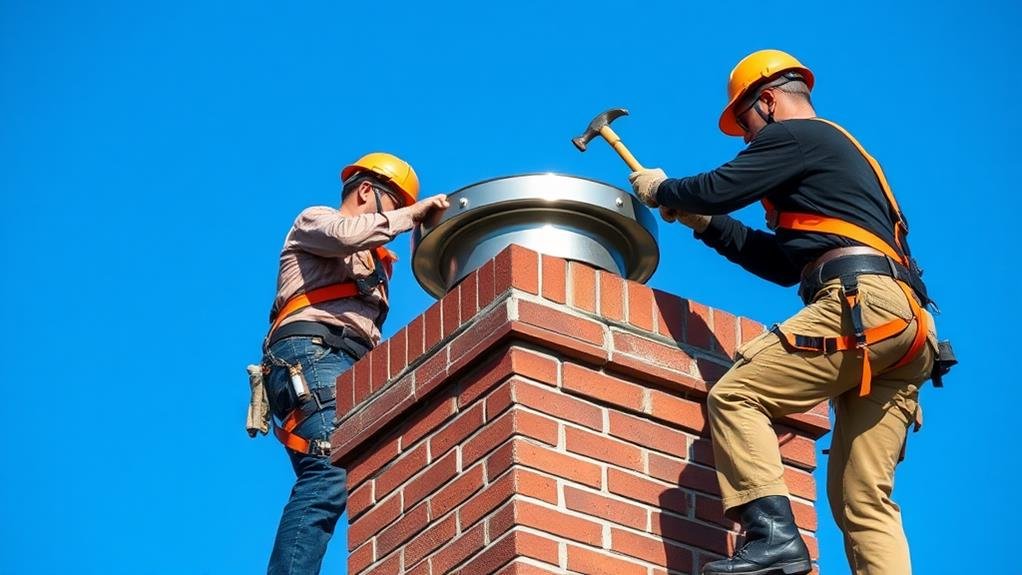
chimney cap installation guide

Using the Estimate to Compare Contractor Quotes

To make the calculator result more useful:
  • Share the same assumptions with each contractor
  • Confirm whether inspections, permits, and disposal are included
  • Ask how access, season, and materials affect the quote
This ensures you are comparing quotes fairly and reduces the risk of unexpected add-ons.
By leveraging this tool, you’ll know exactly what you’re paying for and how to optimize your waterproofing investment.